
How to Reduce Plastic in the Ocean?
Plastic pollution has become a pressing issue in our oceans, causing harm to marine life and ecosystems. The excessive use of plastic and improper disposal methods have led to the accumulation of plastic waste in the ocean, posing a significant threat to the environment. To combat this problem, it is essential for individuals and communities to take action to reduce plastic in the ocean. By making conscious choices and adopting sustainable practices, we can work towards a cleaner and healthier marine environment.
### The Impact of Plastic Pollution
The impact of plastic pollution on marine life is devastating, with millions of marine animals dying each year due to ingestion of plastic or entanglement in plastic debris. Additionally, plastic waste degrades slowly in the ocean, breaking down into microplastics that can be ingested by marine organisms and enter the food chain. This not only affects marine life but also poses a risk to human health, as plastic-contaminated seafood can end up on our plates. It is crucial to address the issue of plastic pollution in the ocean to protect both marine ecosystems and human well-being.
### Reduce Single-Use Plastics
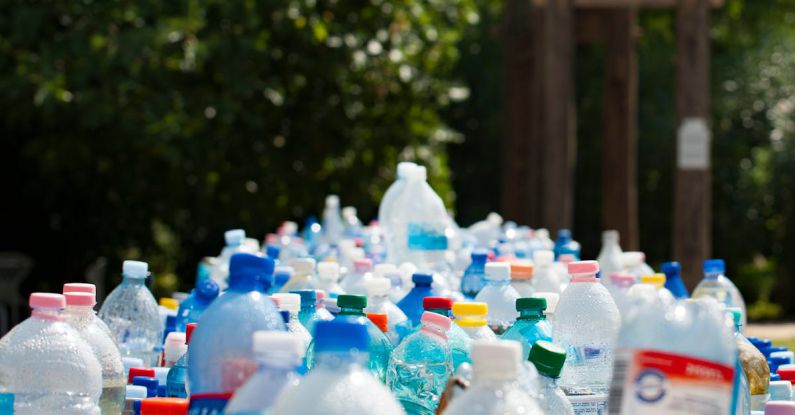
One of the most effective ways to reduce plastic in the ocean is to minimize the use of single-use plastics. Items such as plastic bags, straws, bottles, and utensils are often used once and then discarded, contributing significantly to plastic pollution. By opting for reusable alternatives such as cloth bags, stainless steel straws, and refillable water bottles, we can significantly reduce our plastic footprint. Making small changes in our daily habits can have a big impact on reducing plastic waste in the ocean.
### Proper Waste Disposal
Proper waste disposal is essential in preventing plastic from ending up in the ocean. Improperly disposed of plastic waste can easily find its way into waterways and eventually make its way to the ocean. By recycling and disposing of waste responsibly, we can prevent plastic pollution and help keep our oceans clean. It is important to follow local recycling guidelines and participate in community clean-up efforts to ensure that plastic waste is properly managed and does not harm marine life.
### Support Legislation and Policies
Supporting legislation and policies aimed at reducing plastic pollution is crucial in addressing the issue at a larger scale. Governments and organizations around the world are implementing bans on single-use plastics, promoting recycling programs, and implementing measures to hold polluters accountable. By advocating for stronger regulations and supporting initiatives that aim to reduce plastic pollution, we can contribute to creating a more sustainable and plastic-free environment.
### Educate and Raise Awareness
Education and raising awareness about the impact of plastic pollution are key in inspiring change and encouraging sustainable practices. By educating ourselves and others about the consequences of plastic pollution on marine ecosystems, we can foster a sense of responsibility and promote eco-friendly behaviors. Sharing information through social media, organizing community events, and participating in educational programs can help spread awareness and empower individuals to take action against plastic pollution.
### Conclusion: A Call to Action
Reducing plastic in the ocean is a collective responsibility that requires individual actions and global cooperation. By reducing single-use plastics, practicing proper waste disposal, supporting legislation, and raising awareness, we can work towards a cleaner and healthier ocean for future generations. Let us all take a stand against plastic pollution and make a positive impact on the environment. Together, we can make a difference and protect our oceans from the harmful effects of plastic waste.