What Are the Theories behind the Nazca Lines?
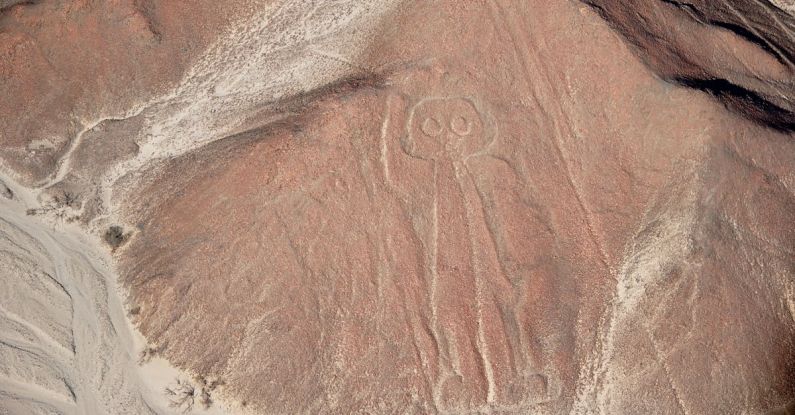
The Nazca Lines in Peru have long been a source of fascination and intrigue for archaeologists, historians, and curious minds alike. These enormous geoglyphs etched into the desert floor have sparked numerous theories and debates about their purpose and the people who created them. From ancient aliens to astronomical calendars, the Nazca Lines have captured the imagination of many. In this article, we will delve into some of the most prominent theories behind the Nazca Lines.
The Astronomical Theory
One of the prevailing theories regarding the Nazca Lines is that they were used for astronomical purposes. Some researchers believe that the lines were aligned with the positions of the sun, moon, and stars, serving as a giant celestial calendar for the Nazca people. The spider, monkey, and hummingbird figures, among others, are thought to represent constellations or significant celestial events. This theory suggests that the Nazca Lines were a way for the ancient Nazca civilization to track the movement of celestial bodies and mark important dates such as solstices and equinoxes.
The Religious and Ceremonial Theory
Another commonly discussed theory is that the Nazca Lines were created for religious or ceremonial purposes. It is believed that the lines were sacred pathways used for processions, rituals, or offerings to the gods. Some of the animal and plant figures, such as the condor and the tree, are thought to have had symbolic significance in Nazca religion. The geometric shapes and patterns may have been used for spiritual practices or as ritual spaces. This theory suggests that the Nazca Lines were an integral part of the religious life of the Nazca people.
The Water Theory
One intriguing theory proposes that the Nazca Lines were connected to water and irrigation systems. The Nazca region is arid and receives very little rainfall, making water a precious resource for agriculture. Some researchers believe that the lines were linked to underground aqueducts or natural springs, serving as markers for water sources or pathways. The figures of animals and plants may have been associated with fertility and the cycle of water, indicating the location of vital resources for the Nazca civilization. This theory suggests that the Nazca Lines were a practical and utilitarian feature of the landscape.
The Social Theory
A less conventional theory suggests that the Nazca Lines were a communal project that served a social function for the Nazca people. It is proposed that the creation of the lines was a way for the community to come together, work collaboratively, and reinforce social bonds. The sheer scale and complexity of the geoglyphs would have required a coordinated effort involving a large number of people. This theory posits that the Nazca Lines were a symbol of unity and cooperation among the Nazca population.
The Legacy of the Nazca Lines
The Nazca Lines continue to mystify and intrigue researchers and visitors to this day. Despite centuries of study, the true purpose and meaning behind these enigmatic geoglyphs remain elusive. The various theories discussed here offer different perspectives on the possible functions of the Nazca Lines, highlighting the complexity and richness of the ancient Nazca civilization. Whether astronomical calendars, religious symbols, water markers, or social projects, the Nazca Lines stand as a testament to the creativity and ingenuity of the people who created them. Their legacy endures as a reminder of the mysteries that still lie buried beneath the desert sands of Peru.