
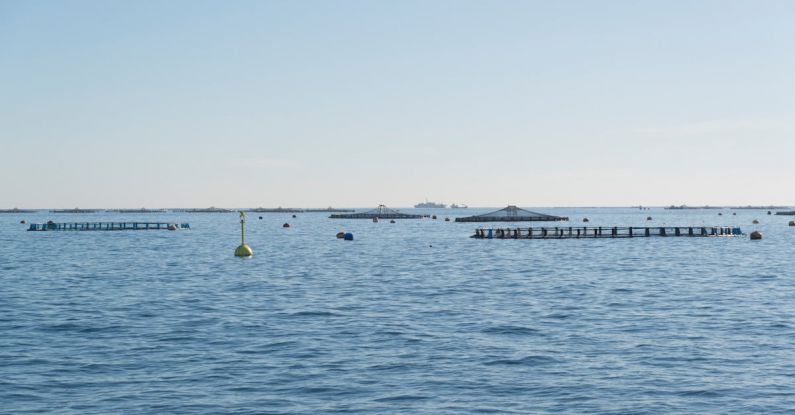
How Sustainable Is Aquaculture?
Aquaculture, often referred to as fish farming, has gained significant attention as a method of providing seafood to meet the ever-growing global demand. However, the sustainability of aquaculture practices has come under scrutiny due to various environmental and social concerns. In this article, we will delve into the question: How sustainable is aquaculture?
The Rise of Aquaculture
Aquaculture has experienced rapid growth over the past few decades, with the global aquaculture industry now producing more fish than wild fisheries. This shift can be attributed to the increasing demand for seafood, population growth, declining wild fish stocks, and advancements in aquaculture technology. While aquaculture offers a solution to meet the rising demand for seafood, its sustainability remains a subject of debate.
Environmental Impact
One of the primary concerns surrounding aquaculture is its environmental impact. Intensive fish farming operations can lead to water pollution, habitat destruction, disease outbreaks, and genetic pollution. Excessive use of antibiotics and chemicals in aquaculture can also have detrimental effects on aquatic ecosystems and human health. Moreover, the escape of farmed fish into the wild can disrupt local biodiversity and gene pools.
Sustainable Practices
To address these environmental concerns, sustainable aquaculture practices have been developed. These practices focus on minimizing environmental impact, promoting responsible resource management, and ensuring the well-being of the surrounding ecosystems. Sustainable aquaculture methods include integrated multi-trophic aquaculture (IMTA), which involves the co-cultivation of multiple species to enhance resource efficiency and reduce waste.
Certification and Standards
Certification programs, such as the Aquaculture Stewardship Council (ASC) and Best Aquaculture Practices (BAP), have been established to promote sustainable aquaculture practices and provide consumers with assurance that the seafood they purchase has been produced responsibly. These certification programs evaluate aquaculture operations based on criteria related to environmental impact, social responsibility, animal welfare, and food safety.
Challenges and Opportunities
Despite efforts to promote sustainability in aquaculture, challenges remain. Issues such as overfishing of wild fish for feed, reliance on wild-caught fish for aquafeed, and the carbon footprint of aquaculture operations pose significant obstacles to achieving true sustainability. However, advancements in alternative feed ingredients, such as plant-based proteins and algae, offer opportunities to reduce the environmental impact of aquaculture.
Community Engagement
In addition to environmental concerns, the social aspects of aquaculture also play a crucial role in determining its sustainability. Local communities that rely on fisheries for their livelihoods may be negatively impacted by the expansion of aquaculture operations. It is essential for aquaculture producers to engage with local communities, respect indigenous rights, and uphold fair labor practices to ensure the long-term sustainability of the industry.
The Road to Sustainability
As the global demand for seafood continues to rise, the aquaculture industry faces the challenge of balancing production growth with environmental and social responsibility. Achieving true sustainability in aquaculture requires a multi-faceted approach that addresses environmental impact, social equity, and economic viability. By adopting sustainable practices, embracing innovation, and engaging with stakeholders, the aquaculture industry can move towards a more sustainable future.
In conclusion, while aquaculture presents opportunities to meet the world’s growing demand for seafood, its sustainability remains a complex issue that requires careful consideration of environmental, social, and economic factors. By implementing sustainable practices, promoting transparency, and engaging with stakeholders, the aquaculture industry can work towards a more sustainable future for both the planet and the people who depend on it.