
What Are the Truths behind Exorcisms?
Exorcisms have long been a subject of fascination and fear, depicted in movies and stories as intense battles between good and evil. But what are the truths behind exorcisms? This ancient ritual is deeply rooted in religious beliefs and practices, with the aim of expelling evil spirits or demons from a person, object, or place. Let’s delve into the history, process, and controversies surrounding exorcisms to uncover the reality behind this mysterious practice.
The History of Exorcisms
Exorcisms date back thousands of years across various cultures and religions. In Christianity, exorcisms are primarily associated with the Roman Catholic Church, where trained priests perform the ritual following strict guidelines outlined in the Rituale Romanum, a book of rituals. The belief in demonic possession and the need for exorcisms can be traced back to biblical accounts of Jesus casting out demons from individuals.
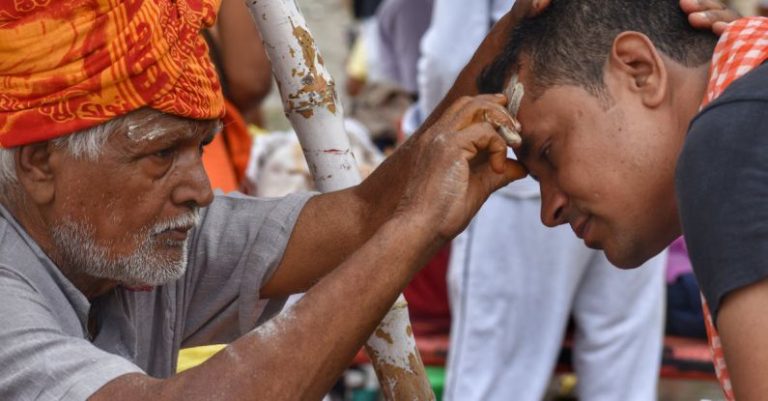
Other religions, such as Islam, Judaism, and Hinduism, also have practices similar to exorcisms to rid individuals of evil influences. These rituals often involve prayers, incantations, and the use of holy objects to drive out malevolent forces.
The Process of Exorcisms
During an exorcism, the possessed individual is typically restrained, and the exorcist, usually a priest, begins by reciting prayers and invoking the name of God or other divine entities. The exorcist may use holy water, crucifixes, or religious symbols to aid in the expulsion of the demon. The possessed person may exhibit various physical and psychological manifestations, such as speaking in tongues, convulsions, or violent behavior, which are believed to be signs of the demon’s presence.
Exorcisms can be lengthy and emotionally intense, with multiple sessions sometimes required to fully rid the individual of the demon. The process is shrouded in secrecy and confidentiality to protect the privacy of those involved and maintain the solemnity of the ritual.
Controversies Surrounding Exorcisms
Despite the long history of exorcisms, the practice remains controversial and subject to skepticism and criticism. Critics argue that cases of supposed demonic possession can often be explained by psychological or medical conditions, such as schizophrenia or epilepsy, rather than supernatural forces. Some view exorcisms as archaic and potentially harmful, leading to the mistreatment of individuals who may be in need of psychiatric help.
There have been instances where exorcisms have resulted in tragic outcomes, including the deaths of those undergoing the ritual due to neglect or extreme measures taken by the exorcist. These incidents have raised questions about the ethics and safety of performing exorcisms, leading some to call for stricter regulations and oversight of the practice.
The Reality of Exorcisms
While the portrayal of exorcisms in popular culture may sensationalize the ritual, the reality is often more subdued and focused on spiritual healing rather than dramatic confrontations with demons. Exorcisms are approached with caution and compassion, with the well-being of the possessed individual being the primary concern.
For believers, exorcisms represent a powerful expression of faith and the belief in the existence of spiritual forces beyond our comprehension. Whether viewed as a sacred tradition or a relic of a bygone era, exorcisms continue to be performed in various religious contexts around the world, shaping the beliefs and practices of those who seek to confront and overcome the forces of darkness.
In conclusion,
The practice of exorcisms remains a complex and enigmatic aspect of religious and spiritual traditions. While skeptics may dismiss it as superstition or pseudoscience, for believers, exorcisms offer a means of confronting and overcoming the forces of evil that are believed to exist in the world. Whether viewed with fear, fascination, or skepticism, exorcisms continue to capture the imagination and spark debate about the nature of good and evil in our lives.