
Are Electric Cars Truly Eco-friendly?
Electric Cars: Are They Truly Eco-friendly?
Electric cars have been marketed as the environmentally friendly alternative to traditional gasoline vehicles, promising reduced emissions and a greener future. However, the question remains: are electric cars truly as eco-friendly as they are made out to be? Let’s delve into the various aspects of electric vehicles to determine their environmental impact.
The Manufacturing Process
One of the key arguments in favor of electric cars is their lack of tailpipe emissions, which contribute to air pollution and climate change. While this is true, it is essential to consider the environmental impact of the manufacturing process involved in producing electric vehicles. The production of electric cars requires raw materials such as lithium, cobalt, and nickel, which are often sourced through mining operations. These mining activities can have detrimental effects on the environment, including deforestation, soil erosion, and water pollution.
Battery Production and Disposal
Another crucial aspect to consider is the production and disposal of electric car batteries. The manufacturing of lithium-ion batteries, which are commonly used in electric vehicles, involves energy-intensive processes that rely on fossil fuels. Additionally, the disposal of these batteries raises concerns about toxic chemicals leaching into the soil and water sources. Proper recycling and disposal methods are essential to mitigate the environmental impact of electric car batteries.
Charging Infrastructure
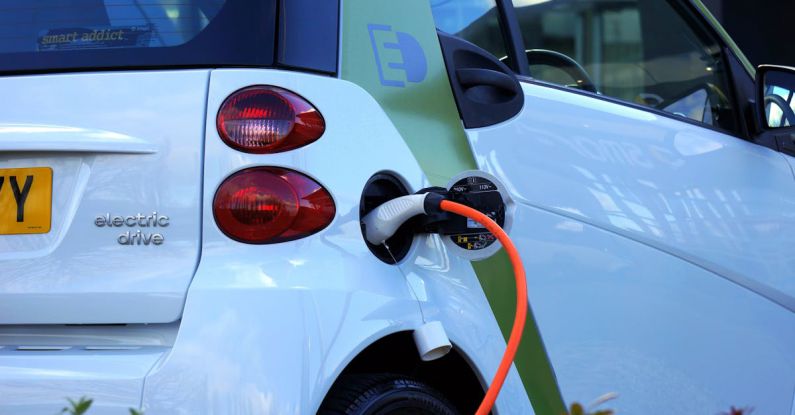
The transition to electric vehicles also raises questions about the infrastructure needed to support widespread adoption. Charging stations play a vital role in the accessibility and convenience of owning an electric car. However, the electricity used to charge these vehicles may come from non-renewable sources, such as coal-fired power plants. To truly maximize the environmental benefits of electric cars, it is crucial to promote the use of renewable energy sources for charging infrastructure.
Lifecycle Analysis
A comprehensive lifecycle analysis is necessary to evaluate the overall environmental impact of electric vehicles compared to traditional gasoline cars. This analysis considers factors such as vehicle manufacturing, fuel production, vehicle operation, and end-of-life disposal. While electric cars may produce fewer emissions during operation, the full lifecycle impact must be taken into account to make an informed comparison.
Reducing Carbon Footprint
Despite the environmental challenges associated with electric vehicles, they still have the potential to significantly reduce carbon emissions compared to gasoline cars. The key lies in promoting sustainable practices throughout the entire lifecycle of electric vehicles, from sourcing raw materials to end-of-life disposal. Additionally, advancements in battery technology and renewable energy integration can further enhance the eco-friendliness of electric cars.
The Role of Government Policies
Government policies and incentives play a crucial role in shaping the transition to electric vehicles and promoting a greener transportation sector. Subsidies for electric car purchases, investments in charging infrastructure, and regulations on emissions standards are essential tools to accelerate the adoption of electric vehicles. By implementing supportive policies, governments can drive positive environmental change and encourage sustainable transportation practices.
Conclusion: Rethinking the Future of Transportation
In conclusion, electric cars have the potential to be a more environmentally friendly alternative to traditional gasoline vehicles. However, it is essential to address the environmental challenges associated with electric vehicles and implement sustainable practices to maximize their eco-friendliness. By considering the full lifecycle impact, promoting renewable energy integration, and supporting government policies, we can pave the way for a greener future of transportation. The key lies in rethinking our approach to mobility and embracing sustainable technologies for a cleaner and healthier planet.