Are There Oceans on Other Planets?
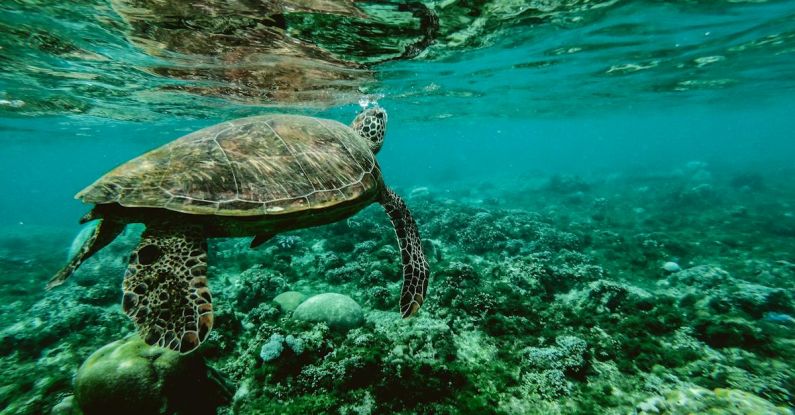
The search for life beyond Earth has long captivated the human imagination. One of the key components necessary for life as we know it is water. On our own planet, water covers approximately 71% of the surface, with vast oceans teeming with diverse forms of life. This raises the question: are there oceans on other planets? Scientists have been exploring this intriguing possibility in our own solar system and beyond, seeking to unlock the mysteries of alien worlds and the potential for extraterrestrial life.
Exploring Our Solar System
1. Mars: The Red Planet’s Watery Past
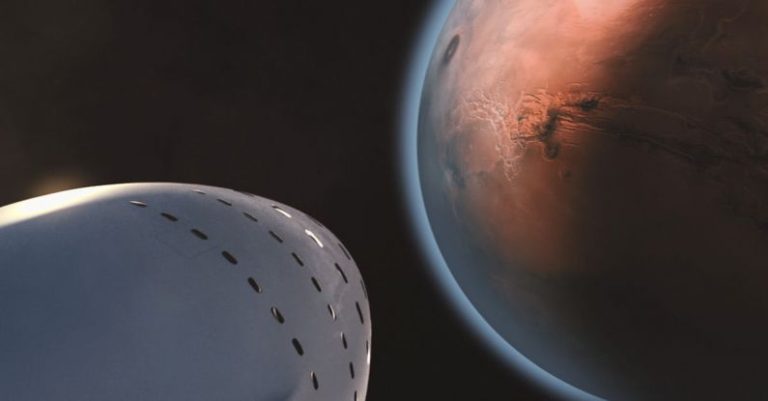
Mars, often dubbed the Red Planet, has been a focal point of planetary exploration due to its similarities to Earth. Evidence suggests that Mars once had large bodies of water on its surface billions of years ago. While these ancient oceans have long since disappeared, remnants such as dried-up riverbeds and mineral deposits indicate that water played a significant role in the planet’s history. Today, Mars has polar ice caps containing water ice, and there are ongoing missions to search for underground reservoirs or frozen water beneath the surface.
2. Europa: The Enigmatic Moon of Jupiter
Jupiter’s moon Europa has garnered attention for its potential subsurface ocean. This icy moon is thought to have a global ocean beneath its icy crust, kept liquid by tidal heating generated by Jupiter’s gravitational pull. Recent observations by spacecraft have revealed evidence of plumes erupting from Europa’s surface, hinting at the possibility of a direct connection between the subsurface ocean and the surface. Scientists speculate that this ocean may harbor conditions conducive to life, making Europa a tantalizing target for future exploration.
3. Enceladus: Saturn’s Moon with Geysers of Water
Another moon in our solar system that has captured the interest of scientists is Enceladus, a moon of Saturn. Enceladus is known for its geysers of water vapor and ice particles erupting from its south pole, indicating the presence of a subsurface ocean. The plumes from these geysers contain organic molecules, suggesting the potential for habitable environments beneath the moon’s icy shell. The Cassini spacecraft detected molecular hydrogen in the plumes, a key energy source for microbial life on Earth, further fueling excitement about the possibility of life on Enceladus.
Beyond Our Solar System
While our solar system offers intriguing possibilities for oceans on other celestial bodies, astronomers have also turned their gaze to exoplanets—planets that orbit stars beyond our Sun. The discovery of exoplanets has expanded our understanding of planetary diversity and raised the question of whether habitable conditions, including oceans, exist beyond our solar system.
Exploring Exoplanets: The Hunt for Water Worlds
In recent years, astronomers have made significant strides in detecting exoplanets that may host oceans. One type of exoplanet of particular interest is the “water world,” a planet covered entirely or predominantly by water. These planets may have deep oceans that span the entire surface, potentially harboring a range of environments suitable for life. The search for water worlds involves studying the composition and atmospheres of exoplanets, looking for signs of water vapor or other indicators of liquid water.
The Potential for Life Beyond Earth
The presence of oceans on other planets, whether in our solar system or beyond, raises the exciting possibility of finding extraterrestrial life. Water is considered a fundamental requirement for life as we know it, and the discovery of oceans on other worlds could significantly impact our understanding of the prevalence of life in the universe. While many questions remain unanswered, ongoing research and exploration efforts continue to push the boundaries of our knowledge and fuel our curiosity about the mysteries of alien oceans.
In Conclusion: The Quest Continues
The search for oceans on other planets is a fascinating journey that spans our own solar system and reaches into the vast expanse of the cosmos. From the ancient waters of Mars to the icy depths of Europa and Enceladus, and the tantalizing prospects of water worlds orbiting distant stars, the quest to uncover the secrets of alien oceans continues to inspire scientists and stargazers alike. As technology advances and our understanding of planetary systems grows, we may one day witness the discovery of oceans beyond Earth, opening new chapters in the story of life in the universe.