
How Can Virtual Reality Train Athletes?
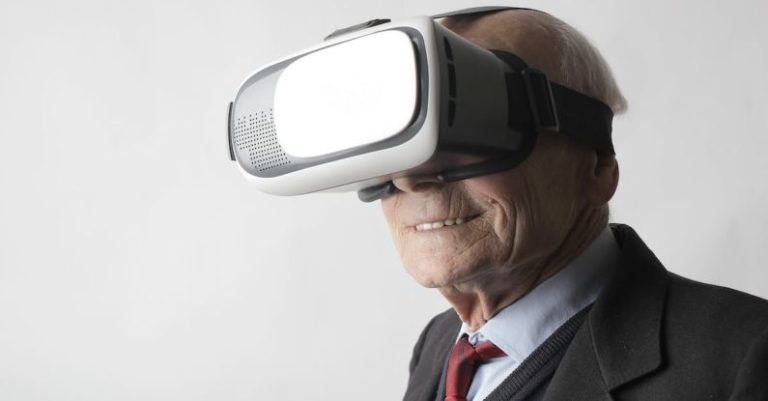
Virtual reality (VR) technology has revolutionized various industries, and sports training is no exception. Athletes are constantly seeking innovative ways to enhance their performance and gain a competitive edge. The immersive nature of virtual reality has opened up a new dimension in athlete training, offering a unique and effective way to simulate real-life scenarios and improve skills. Let’s delve into how virtual reality can train athletes and take their performance to the next level.
Enhanced Visualization and Mental Preparation
One of the key aspects of athlete training is mental preparation. Virtual reality provides athletes with a platform to visualize and mentally rehearse game scenarios, plays, and strategies. By immersing themselves in a virtual environment that replicates real-world conditions, athletes can enhance their decision-making skills, reaction times, and overall performance under pressure.
Moreover, virtual reality can help athletes overcome performance anxiety and build confidence. By repeatedly exposing themselves to high-pressure situations in a virtual setting, athletes can develop mental toughness and resilience, which are essential for success in competitive sports.
Realistic Simulation and Skill Development
Virtual reality offers athletes the opportunity to engage in realistic simulations that closely mimic the dynamics of their sport. Whether it’s practicing free throws in basketball, penalty kicks in soccer, or tackling drills in football, virtual reality can recreate these scenarios with high fidelity, allowing athletes to refine their techniques and improve their skills in a safe and controlled environment.
Furthermore, virtual reality can be used to simulate specific opponents and game situations, providing athletes with valuable insights into their strengths and weaknesses. By analyzing their performance in virtual matchups, athletes can identify areas for improvement and tailor their training regimen accordingly.
Interactive Feedback and Performance Analysis
One of the most valuable features of virtual reality training is the ability to receive real-time feedback on performance. Virtual reality systems can track and analyze various metrics such as movement patterns, speed, and accuracy, providing athletes with instant feedback on their technique and performance.
Athletes can use this feedback to make adjustments and refine their skills, ultimately leading to better performance on the field or court. Virtual reality can also be used to conduct post-training analysis, allowing coaches and athletes to review and analyze performance data to identify areas for improvement and track progress over time.
Injury Prevention and Rehabilitation
In addition to enhancing performance, virtual reality can also play a crucial role in injury prevention and rehabilitation for athletes. By simulating sports-specific movements and exercises, virtual reality can help athletes maintain their conditioning and strength during periods of injury or recovery.
Virtual reality can also be used to design personalized rehabilitation programs tailored to the specific needs of individual athletes. By incorporating virtual reality exercises into their rehabilitation routine, athletes can speed up the recovery process, regain confidence in their abilities, and reduce the risk of re-injury.
The Future of Athlete Training
As virtual reality technology continues to advance, the possibilities for athlete training are virtually limitless. From immersive training simulations to interactive coaching tools, virtual reality has the potential to revolutionize the way athletes prepare for competition and optimize their performance.
With the ability to enhance visualization, simulate real-world scenarios, provide interactive feedback, and support injury prevention and rehabilitation, virtual reality is poised to become an indispensable tool in the athlete’s training arsenal. As athletes and coaches embrace this innovative technology, we can expect to see a new era of sports training that pushes the boundaries of performance and excellence.