How Did the Ancient Greeks Build Parthenon?
The Parthenon, an iconic symbol of ancient Greek architecture and one of the most well-preserved temples from that era, continues to awe and inspire people worldwide with its grandeur and beauty. Built atop the Acropolis in Athens, the Parthenon stands as a testament to the architectural genius of the ancient Greeks. The construction of this magnificent structure was a monumental feat that required meticulous planning, skilled craftsmanship, and innovative engineering techniques.
Design and Planning
The Parthenon was built during the Golden Age of Athens in the 5th century BC under the supervision of the renowned Athenian statesman Pericles. The design of the temple is attributed to the architects Ictinus and Callicrates, with the sculptor Phidias overseeing the decorative elements. The architects drew inspiration from earlier temple designs but introduced several innovative features that set the Parthenon apart from its predecessors.
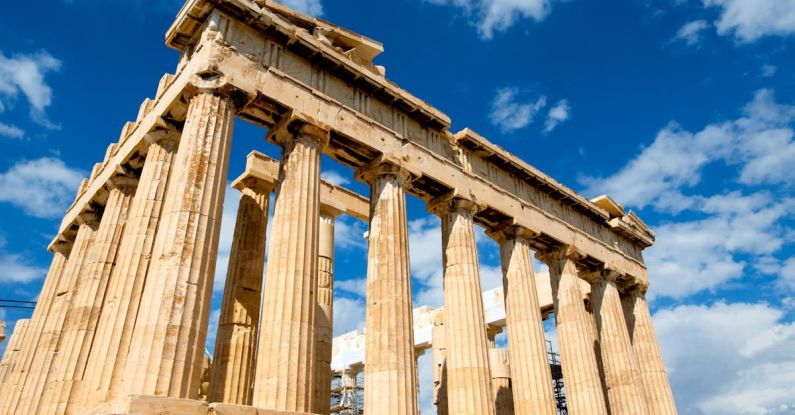
The temple was constructed using Pentelic marble, quarried from Mount Pentelicus near Athens. The architects carefully calculated the dimensions and proportions of the building to create a sense of harmony and balance. The Parthenon follows the Doric order, characterized by its sturdy columns, simple capitals, and triglyph metopes. The architects incorporated subtle optical refinements, such as slight curvature and entasis (a slight swelling) in the columns, to counteract the visual distortion caused by the human eye.
Construction Techniques
The construction of the Parthenon involved a combination of traditional building methods and innovative techniques. The foundation of the temple was laid on a bed of limestone to provide stability and prevent uneven settling. The columns, each weighing several tons, were carved with precision and raised into position using wooden cranes and pulleys.
One of the most remarkable aspects of the Parthenon’s construction is the use of optical illusions to create the illusion of perfection. The columns are slightly tapered, with a bulge in the middle and a slight curvature to counteract the optical effects of perspective. This subtle curvature, known as entasis, makes the columns appear straight when viewed from a distance, enhancing the overall visual harmony of the temple.
Sculptural Program
The Parthenon was not only a place of worship but also a symbol of Athenian power and cultural achievement. The exterior of the temple was adorned with a sculptural program depicting scenes from Greek mythology and history. The pediments featured intricate sculptures of deities and mythological figures, while the metopes depicted legendary battles and heroic feats.
The most famous feature of the Parthenon is the frieze that adorned the inner chamber of the temple. The frieze, a continuous band of relief sculpture, depicted the Panathenaic procession, a grand festival held in honor of the goddess Athena. The sculptor Phidias and his workshop meticulously carved the figures in high relief, capturing the dynamic movement and emotion of the procession.
Legacy and Restoration
Despite centuries of wear and damage, the Parthenon remains a marvel of ancient architecture and a symbol of Greece’s cultural heritage. The temple has undergone numerous restorations and conservation efforts to preserve its structural integrity and historical significance. In recent years, the Greek government has collaborated with international organizations to address issues such as pollution, erosion, and structural damage.
The Parthenon continues to inspire artists, architects, and historians with its timeless beauty and innovative design. From its meticulous planning and precise construction techniques to its rich sculptural program and historical significance, the Parthenon stands as a testament to the enduring legacy of ancient Greek civilization. As visitors gaze upon its majestic columns and intricate sculptures, they are transported back in time to an era of artistic and architectural brilliance.