How Were the Easter Island Statues Made?
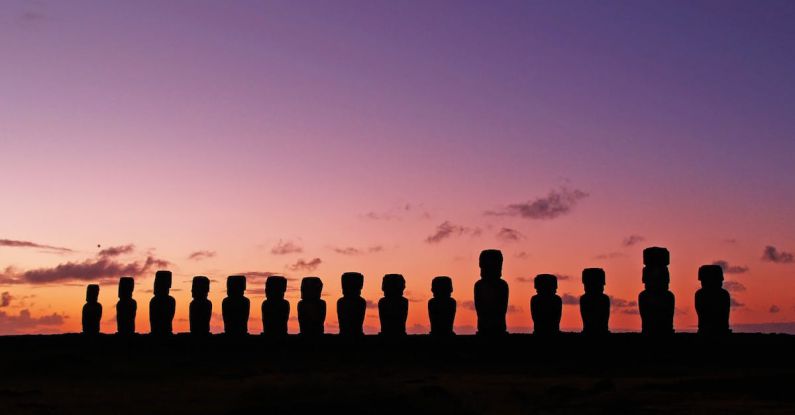
The mystery surrounding the Easter Island statues, known as Moai, has puzzled researchers and historians for centuries. These iconic stone figures, scattered across the remote island in the Pacific Ocean, stand as a testament to the ingenuity and craftsmanship of the ancient Rapa Nui civilization. How were these colossal statues made, transported, and erected by a society with limited resources and technology? Let’s delve into the fascinating process behind the creation of the enigmatic Easter Island statues.
**The Origins of the Moai**
The Moai statues were carved from volcanic tuff, a compressed volcanic ash found abundantly on Easter Island. The Rapa Nui people selected specific quarries on the island where the high-quality tuff was present, making it easier to carve and shape the statues. The process of quarrying the stone involved using basalt stone tools to carve out the rough shape of the statue before further refining it at the carving site. It is believed that the Moai were carved directly at the quarry, with the final touches completed at the intended location.
**Carving and Shaping the Statues**
The craftsmanship and skill required to carve the Moai statues are truly remarkable. The Rapa Nui artisans meticulously chiseled away at the volcanic tuff, shaping the stone into the distinctive features of each statue. The tools used for carving included basalt stone picks, chisels, and other sharp implements that allowed the sculptors to create intricate details such as the statues’ facial features and elongated bodies.
**Transporting the Moai**
One of the most perplexing aspects of the Moai statues is how they were transported from the quarries to their final resting places around the island. The prevailing theory suggests that the Rapa Nui people used a combination of ropes, wooden sledges, and manpower to move the statues across the rugged terrain. By rocking the statues back and forth and using a coordinated effort of pulling and pushing, the Moai were able to “walk” to their designated platforms, known as ahu.
**Erecting the Moai**
Once the Moai statues reached their intended ahu, the final and most challenging task awaited the Rapa Nui people – erecting the colossal stone figures onto the stone platforms. Researchers believe that a system of inclined ramps made of compacted earth and stone was constructed to raise the statues into an upright position. By leveraging the natural landscape and utilizing the manpower of the community, the Moai were gradually raised into their iconic standing positions.
**The Cultural Significance of the Moai**
Beyond their impressive engineering feats, the Moai statues hold profound cultural and spiritual significance for the Rapa Nui people. These statues were not merely stone figures but representations of powerful ancestors and chiefs who watched over and protected the community. The act of carving, transporting, and erecting the Moai was a sacred ritual that connected the living with the spirits of the past, reinforcing the cultural identity and beliefs of the Rapa Nui civilization.
**Unraveling the Mysteries of the Moai**
Despite the advancements in modern technology and archaeological research, many questions surrounding the Easter Island statues remain unanswered. The precise methods used by the Rapa Nui people to carve, transport, and erect the Moai continue to intrigue scholars and enthusiasts alike. The enigmatic allure of the Moai statues serves as a testament to the ingenuity and creativity of ancient civilizations and reminds us of the enduring legacy of the Rapa Nui people.
**Intriguing Insights into the Easter Island Statues**
The Moai statues of Easter Island stand as a testament to the remarkable achievements of the Rapa Nui civilization. From the meticulous carving process to the complex logistics of transportation and erection, these iconic stone figures continue to captivate the imagination of people around the world. The mysteries shrouding the creation of the Moai only add to their allure, sparking curiosity and wonder about the ancient people who crafted these extraordinary statues.