
Is Lab-grown Meat the Future of Food?
In recent years, the concept of lab-grown meat has been gaining traction as a potential solution to the environmental and ethical challenges posed by traditional animal agriculture. This innovative approach to food production involves cultivating meat in a laboratory setting, using cells from animals rather than raising and slaughtering entire animals. With concerns about sustainability and animal welfare on the rise, many are now asking: Is lab-grown meat the future of food?
The Promise of Lab-Grown Meat
Lab-grown meat, also known as cultured or cell-based meat, offers a range of potential benefits that could revolutionize the way we produce and consume meat. One of the most compelling arguments in favor of this technology is its environmental impact. Traditional animal agriculture is a significant contributor to greenhouse gas emissions, deforestation, and water pollution. By producing meat in a lab, the need for vast amounts of land, water, and feed is greatly reduced, leading to a much smaller carbon footprint.
Another key advantage of lab-grown meat is its potential to address animal welfare concerns. Factory farming practices often involve overcrowded and inhumane conditions for animals, leading to widespread suffering. Cultured meat eliminates the need for raising and slaughtering animals, offering a more ethical alternative for meat production.
The Technology Behind Lab-Grown Meat
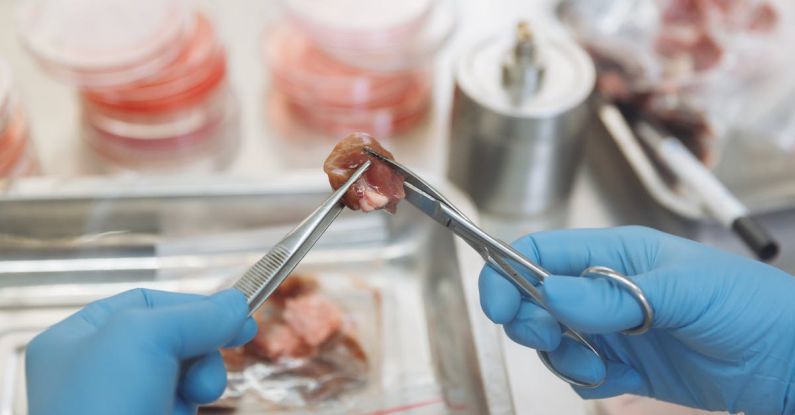
The process of producing lab-grown meat involves taking a small sample of cells from an animal and then culturing these cells in a controlled environment to grow muscle tissue. This tissue can then be harvested and processed into various meat products, such as burgers, sausages, and nuggets. While the technology is still in its early stages, significant progress has been made in developing efficient methods for growing meat in the lab.
Challenges and Concerns
Despite its promise, lab-grown meat still faces several challenges and concerns that need to be addressed before it can become a widespread reality. One of the main obstacles is the high cost of production. Currently, lab-grown meat is significantly more expensive to produce than traditional meat, making it inaccessible to the average consumer. However, as technology advances and production scales up, the cost is expected to decrease over time.
Another concern is the regulatory framework surrounding lab-grown meat. Questions about how these products should be labeled, marketed, and regulated remain unresolved in many countries. Ensuring consumer confidence in the safety and quality of lab-grown meat will be essential for its acceptance in the marketplace.
The Future of Food
As the global population continues to grow, the demand for meat is expected to rise significantly in the coming decades. Traditional animal agriculture is simply not sustainable in the long term, given its environmental impact and resource-intensive nature. Lab-grown meat offers a promising alternative that could help meet the growing demand for protein while reducing the negative effects of conventional meat production.
Conclusion: A New Era of Food Production
In conclusion, lab-grown meat holds great promise as a sustainable and ethical solution to the challenges facing traditional animal agriculture. While there are still hurdles to overcome, the potential benefits of this technology are clear. As research and development in this field continue to progress, lab-grown meat could very well become the future of food, reshaping the way we think about meat production and consumption. As consumers become more conscious of the environmental and ethical implications of their food choices, the demand for alternative sources of protein like lab-grown meat is likely to increase, paving the way for a new era of food production.