What Is the Mystery of Machu Picchu?
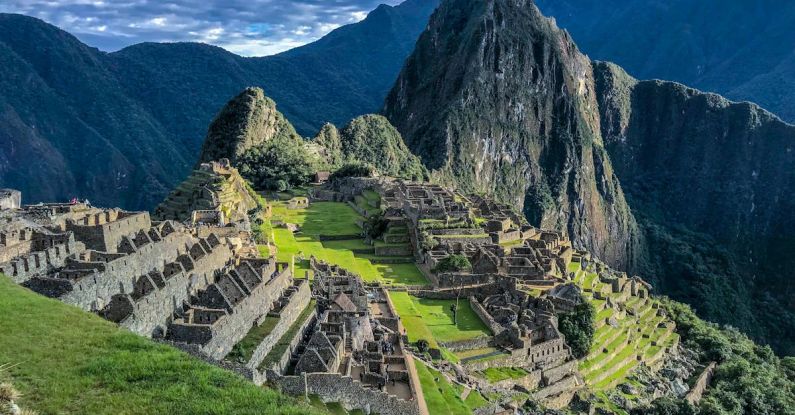
Nestled high in the Andes Mountains of Peru, Machu Picchu stands as a testament to the ingenuity and architectural prowess of the Inca civilization. This ancient citadel, perched on a ridge overlooking the Urubamba River valley, continues to captivate and mystify visitors from around the world. What is the mystery of Machu Picchu that draws people to its majestic ruins? Let’s delve into the enigmatic allure of this UNESCO World Heritage Site.
The Lost City of the Incas
Machu Picchu, often referred to as the “Lost City of the Incas,” was built in the 15th century at the height of the Inca Empire. Despite its relatively recent construction, the site remained unknown to the outside world until its rediscovery by American explorer Hiram Bingham in 1911. The remote location, hidden amidst the dense Andean jungle, contributed to its obscurity for centuries. This air of secrecy surrounding Machu Picchu only adds to its mystique, prompting questions about its purpose and the circumstances of its abandonment.
Architectural Marvels
One of the most striking features of Machu Picchu is its intricate and precise stone masonry. The Inca builders meticulously carved and fitted massive stones together without the use of mortar, creating structures that have withstood the test of time and numerous seismic events. The precision of the construction, with stones fitting together so tightly that not even a blade of grass can slip between them, remains a marvel of engineering prowess. The advanced knowledge of astronomy and geometry possessed by the Inca civilization is also evident in the alignment of structures with celestial events, such as the solstices.
Sacred Site or Royal Retreat?
The exact purpose of Machu Picchu remains a subject of debate among archaeologists and historians. Some believe it served as a sacred site, with its strategic location chosen for its proximity to sacred mountains and alignment with significant celestial events. Others argue that it may have been a royal retreat or estate for the Inca emperor Pachacuti, who is credited with expanding the empire and initiating a period of great architectural innovation. The presence of temples, terraces, and agricultural areas at Machu Picchu lends credence to both theories, adding layers to the mystery of its function.
The Inca Trail and Spiritual Connection
For many visitors, the journey to Machu Picchu is just as significant as the destination itself. The iconic Inca Trail, a network of ancient pathways that traverse the Andes, offers a challenging yet rewarding trek through breathtaking landscapes and archaeological sites. Hiking the Inca Trail is not just a physical feat but a spiritual journey for many, as they follow in the footsteps of the ancient Inca pilgrims who once made the same trek to reach the sacred citadel. The sense of connection to the past and the natural environment is a profound experience that adds to the allure of Machu Picchu.
Preservation and Sustainability
As Machu Picchu continues to attract increasing numbers of visitors each year, concerns about preservation and sustainability have come to the forefront. The delicate ecosystem surrounding the site is vulnerable to the impacts of tourism, prompting efforts to limit visitor numbers and implement sustainable practices. Balancing the need to protect Machu Picchu’s cultural heritage with the desire to share it with the world remains a challenge, highlighting the ongoing mystery of how best to safeguard this ancient wonder for future generations.
Unlocking the Secrets of Machu Picchu
In conclusion, the mystery of Machu Picchu lies not only in its enigmatic past but also in its enduring legacy and the questions it continues to inspire. Whether viewed as a sacred site, a royal retreat, or a marvel of engineering, this ancient citadel continues to capture the imagination of all who visit. As we strive to unravel the secrets of Machu Picchu, we are reminded of the timeless allure of this archaeological treasure and the importance of preserving it for future exploration and discovery.