Why Did the Mayan Civilization Collapse?
The Mystery Behind the Collapse of the Mayan Civilization
The ancient Mayan civilization, renowned for its advanced knowledge in astronomy, mathematics, and architecture, thrived in Mesoamerica for centuries. However, around 900 AD, this once-flourishing civilization mysteriously collapsed, leaving behind enigmatic ruins and unanswered questions. Scholars and archaeologists have long debated the reasons behind the downfall of the Mayan civilization, with various theories proposed to explain its demise. From environmental factors to political upheavals, the collapse of the Mayan civilization remains a puzzle that continues to intrigue experts and enthusiasts alike.
Environmental Degradation and Resource Depletion
One of the leading theories regarding the collapse of the Mayan civilization revolves around environmental degradation and resource depletion. The Mayans were skilled agriculturalists who relied heavily on slash-and-burn farming techniques to sustain their growing population. This unsustainable agricultural practice, coupled with deforestation and soil erosion, likely led to a depletion of vital resources, such as water and fertile land. As the population continued to expand, the strain on the environment became increasingly evident, ultimately contributing to the collapse of the civilization.
Drought and Climate Change
Another compelling factor believed to have played a significant role in the collapse of the Mayan civilization is drought and climate change. Recent studies suggest that the region experienced a series of prolonged droughts during the 9th century, which would have severely impacted agricultural productivity and water availability. The combination of environmental stressors, including deforestation and climate variability, would have placed immense pressure on the Mayan society, leading to food shortages, social unrest, and ultimately, the collapse of their civilization.
Social and Political Disruption
In addition to environmental factors, social and political disruptions within the Mayan society likely contributed to its downfall. The Mayan civilization was composed of various city-states, each vying for power and resources. Internal conflicts, wars, and power struggles among the ruling elite may have destabilized the region, leading to social unrest and a breakdown of centralized authority. The lack of effective governance and the inability to address growing societal challenges could have further exacerbated the collapse of the Mayan civilization.
Trade Networks and External Influences
The Mayan civilization was known for its extensive trade networks, connecting distant regions and facilitating the exchange of goods and ideas. However, as trade routes became disrupted and external influences intensified, the once-thriving economy of the Mayans may have faltered. The arrival of foreign invaders, such as the Toltecs or the Itza, could have also played a role in the destabilization of the region, introducing new conflicts and disrupting the established social order. The integration of external influences and the breakdown of traditional trade networks may have further accelerated the collapse of the Mayan civilization.
Legacy and Continued Study
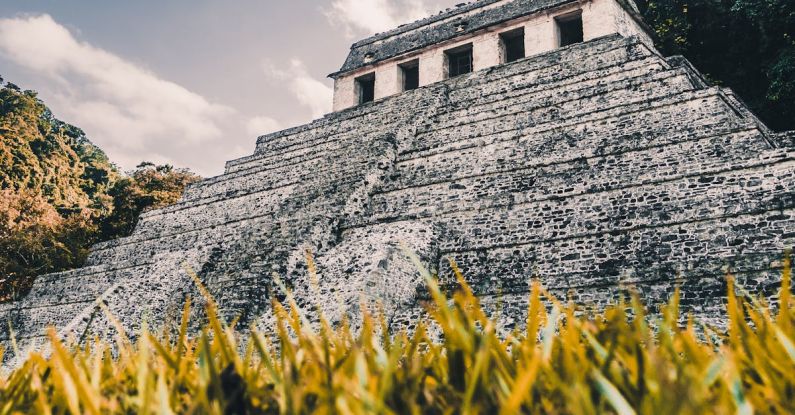
Despite the collapse of their civilization, the legacy of the Mayans endures through their impressive architectural achievements, intricate artwork, and advanced knowledge in various fields. The enigmatic ruins of ancient Mayan cities continue to attract visitors from around the world, sparking interest in the history and culture of this fascinating civilization. Archaeologists and scholars continue to study the ruins and artifacts left behind by the Mayans, piecing together the puzzle of their downfall and shedding light on the complexities of their society.
In conclusion, the collapse of the Mayan civilization remains a complex and multifaceted mystery, with environmental, social, political, and external factors all likely playing a role in its downfall. By examining the various theories and evidence surrounding the collapse of the Mayan civilization, we gain a deeper understanding of the challenges faced by this ancient society and the lessons that can be learned from its demise. The enigmatic ruins of the Mayan cities stand as a testament to the resilience and creativity of this remarkable civilization, inspiring further exploration and study into their fascinating history.